SwimRaceLab
The lineage

Serbian competitive grit meets the Swedish sports-science system that engineered world records.

Two very different swimming cultures. One produced fighters who won against the odds. The other built a measurement infrastructure that made the fastest swimmers in the world faster still. Spending a career inside both changes how you read a race.

Background

A career built on the pool deck, not the textbook.

The method behind SwimRaceLab was not assembled from sports-science literature. It was constructed over a decade of measuring real performances under pressure - at national championships, at World Championships, at the Olympics.

The diagnostic instinct came first, from a competitive career where reading a race was survival. The measurement discipline came second, from years inside a national program that had built its entire coaching structure around quantifying exactly why the fastest swimmers were fast.

The combination produces something a pure sports scientist and a pure athlete rarely have at the same time: a felt sense of what is happening in the water, and the analytical framework to describe it precisely.

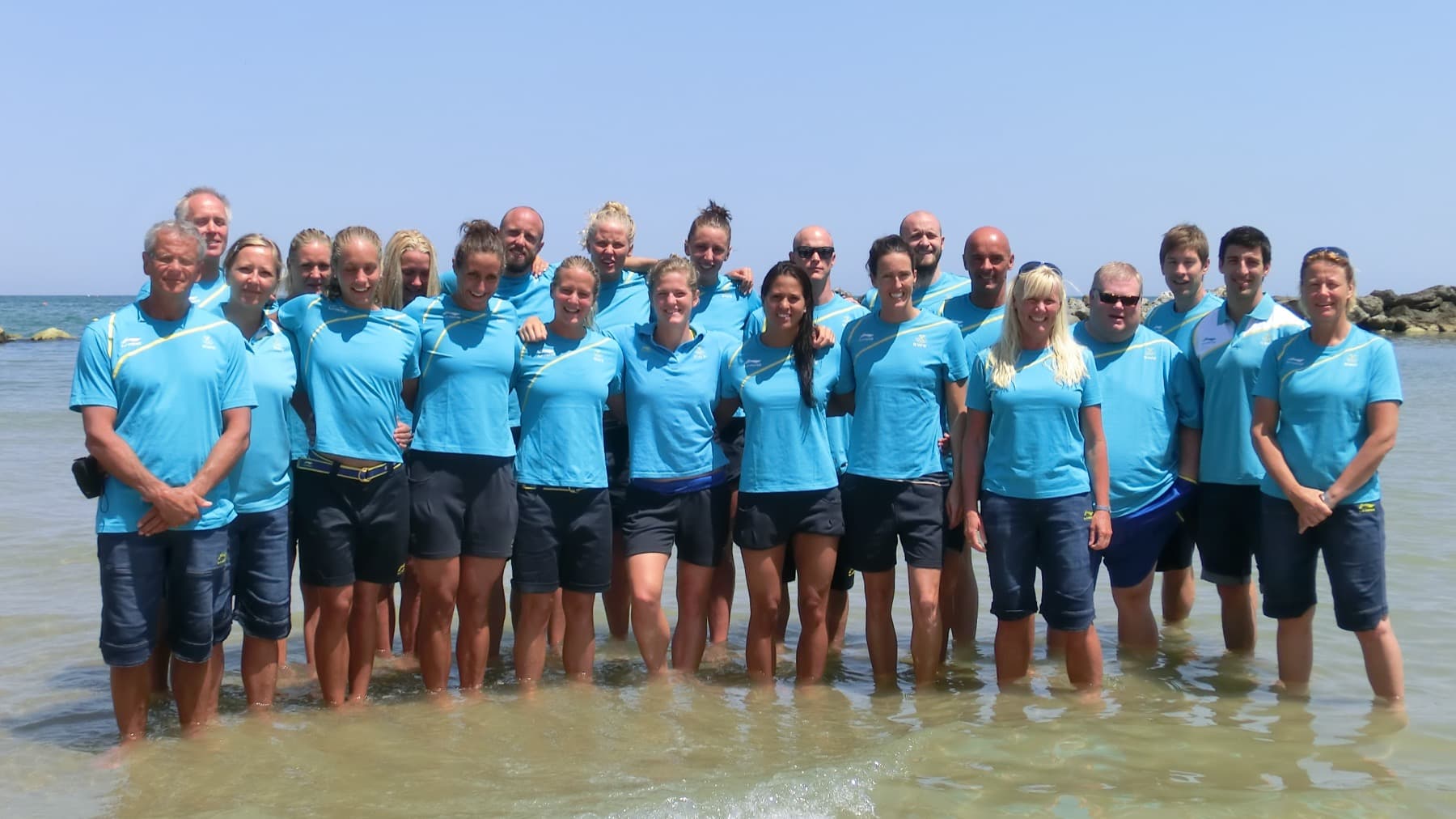
Swedish national team, Olympic training camp.
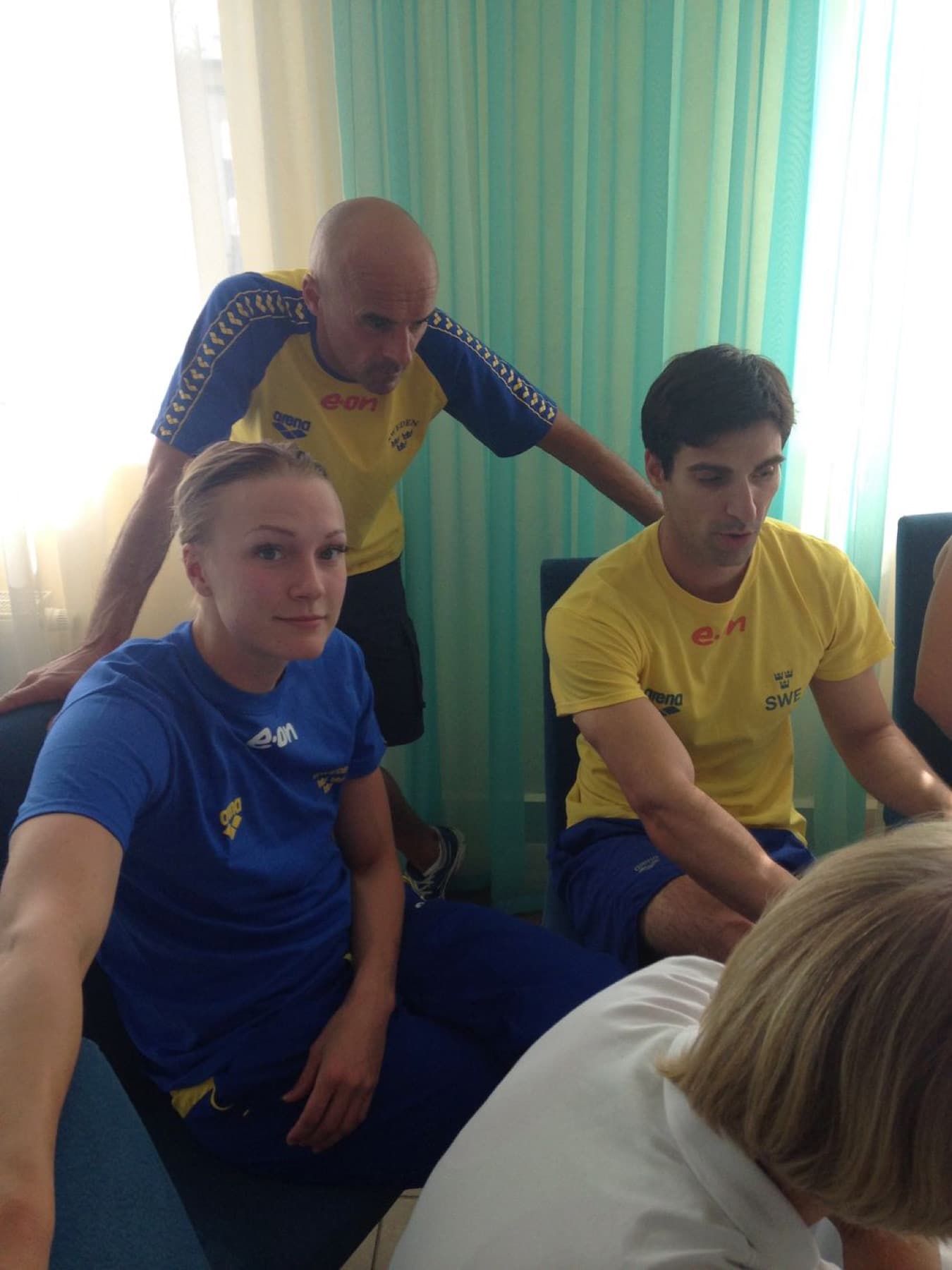
Race analysis with Sarah Sjöström, Swedish national team. Kazan, 2015.
Swedish Swimming Federation

Inside the program that built a system for producing world records.

Close to a decade as a physiologist and biomechanist inside Swedish elite swimming. The Swedish system is unusual: it invests heavily in understanding the structure of fast swimming at a technical and biomechanical level, and it applies that understanding systematically across a cohort of elite athletes.

The work spanned both junior and senior national teams, and Swedish Olympians across two Olympic Games - London 2012 and Rio 2016. Every race was broken down. Stroke data was compiled. Patterns across swimmers, distances, and conditions were identified. The method matured under the discipline of an environment that treated imprecision as a professional failure.

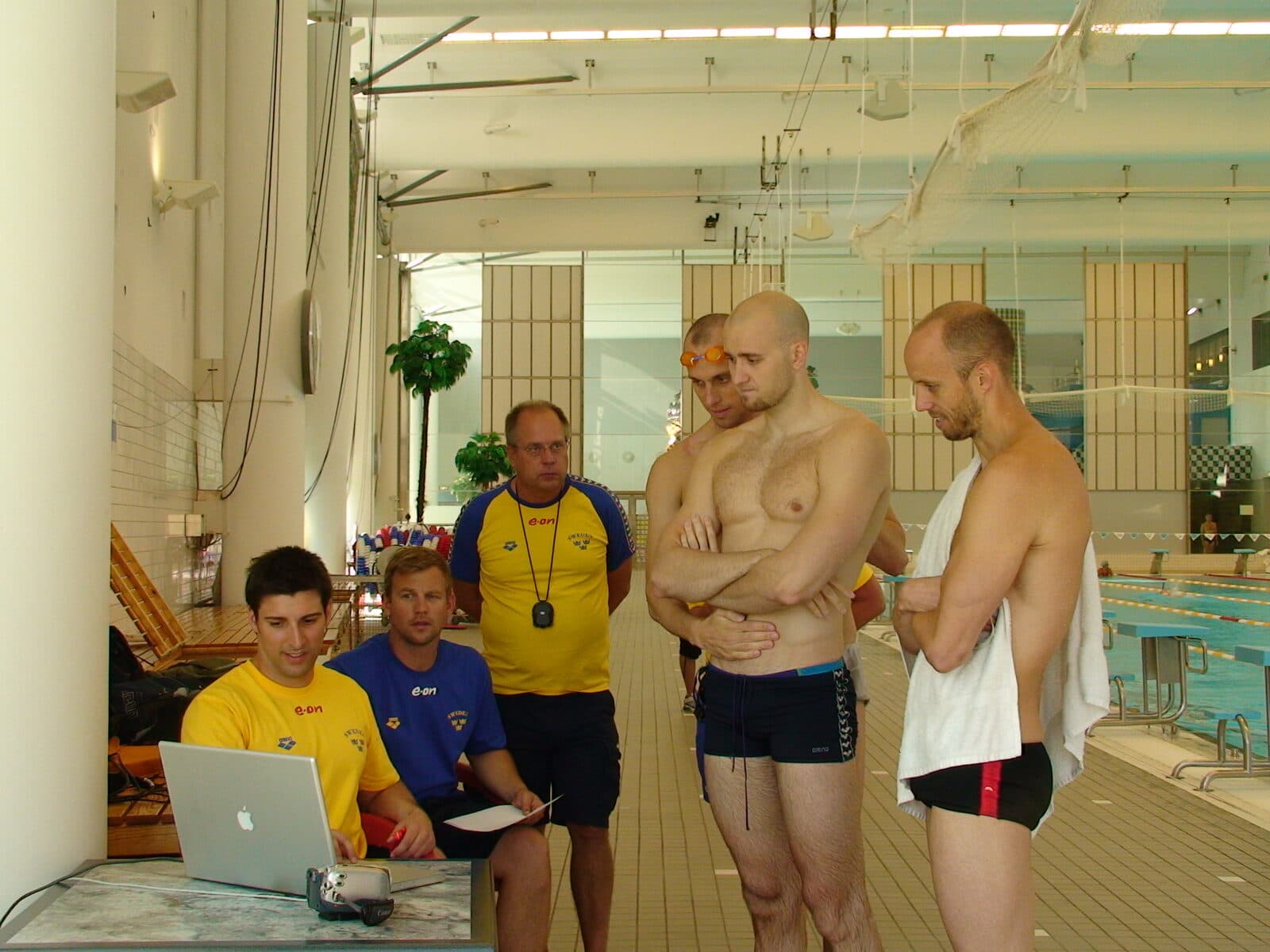
Technical analysis with Stefan Nystrand and Lars Frölander, Swedish national team.
The intellectual lineage

Collaboration with the pioneer of race analysis and elite swimming technique.

Prof. Rein Haljand built the foundational framework for systematic race analysis in swimming, and is one of the field's pioneers of world-class swimming technique. His work established how to decompose a race into measurable segments, how to trace performance outcomes back to specific biomechanical and tactical causes, and how to translate that into the technical models that define elite stroke mechanics.

Working directly with Prof. Haljand was formative - not as a student following a curriculum, but as a collaborator in the practical application of his methods at the elite level. The diagnostic framework used in every SwimRaceLab audit carries that lineage directly.

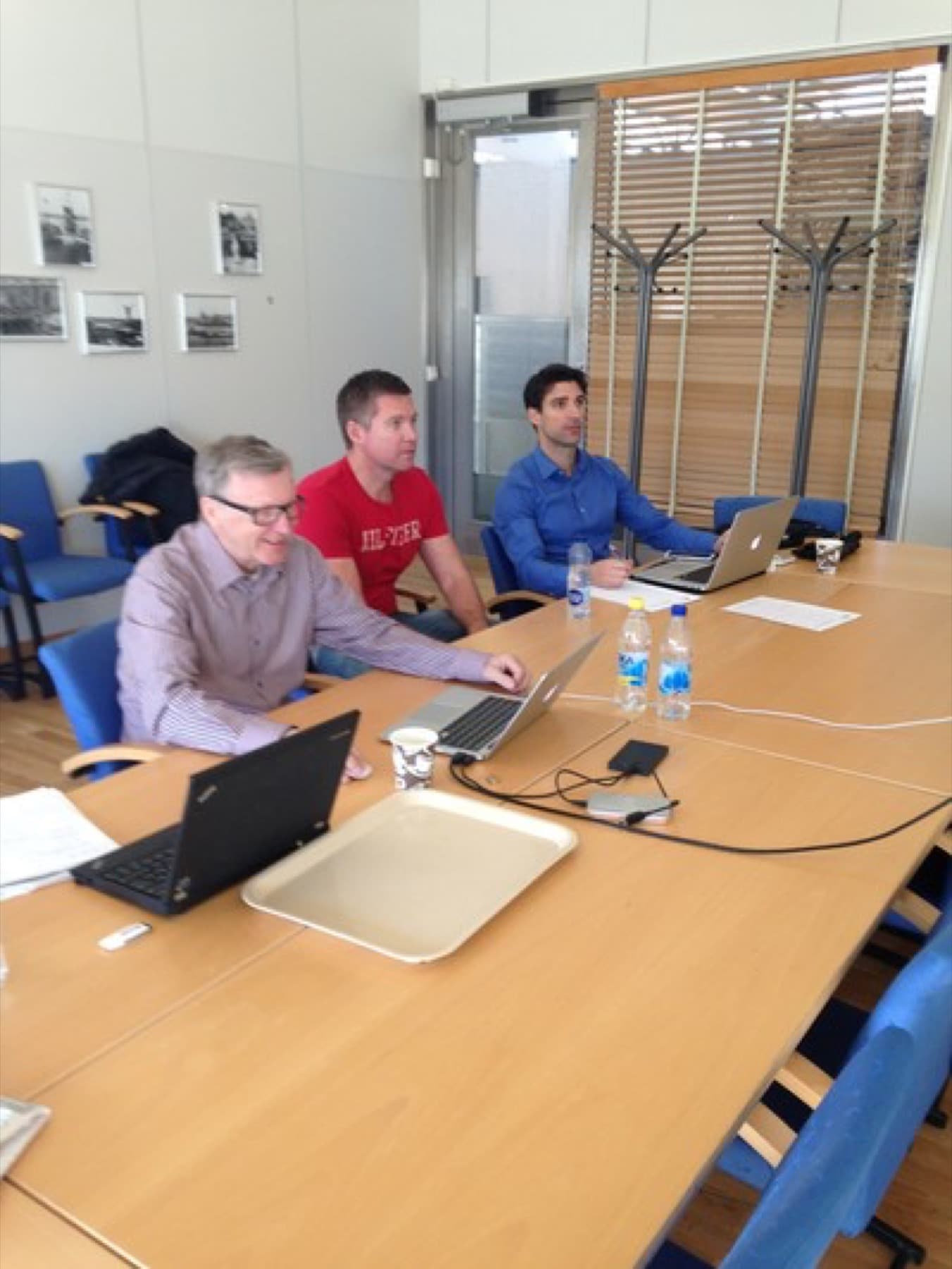
Working session with Prof. Rein Haljand, pioneer of race analysis and swimming technique.
The record

A career in the evidence.

1990s

Elite swimmer

Former Serbian national record holder in the 50m breaststroke and the 100m individual medley, including the last-ever Yugoslav 100m IM record, set in 1999. Junior national team, Balkan Championships, Red Star Belgrade, and East Carolina University. Reading a race began as a competitor's instinct.
Rome 2009

Race-analysis pioneer

Close to a decade as a physiologist and biomechanist for the Swedish Swimming Federation, where he built and systematized the race-analysis process used across Swedish elite swimming, turning an informal practice into a structured performance system. First international championship as analyst: the 2009 World Championships in Rome. The method has since been applied with multiple world champions and world-record holders.

London 2012 and Rio 2016

Olympic and Paralympic analyst

Race-analysis lead for the Norwegian Paralympic swimming team through the London 2012 cycle, and close to eight years as a video analyst for the Swedish Olympic Committee, supporting Swedish athletes across two Olympic Games.

Lineage

Prof. Rein Haljand

Worked closely with Prof. Rein Haljand, the pioneer of swimming race analysis and of world-class swimming technique. His framework for quantifying race structure and stroke behavior is the intellectual foundation this method builds on.

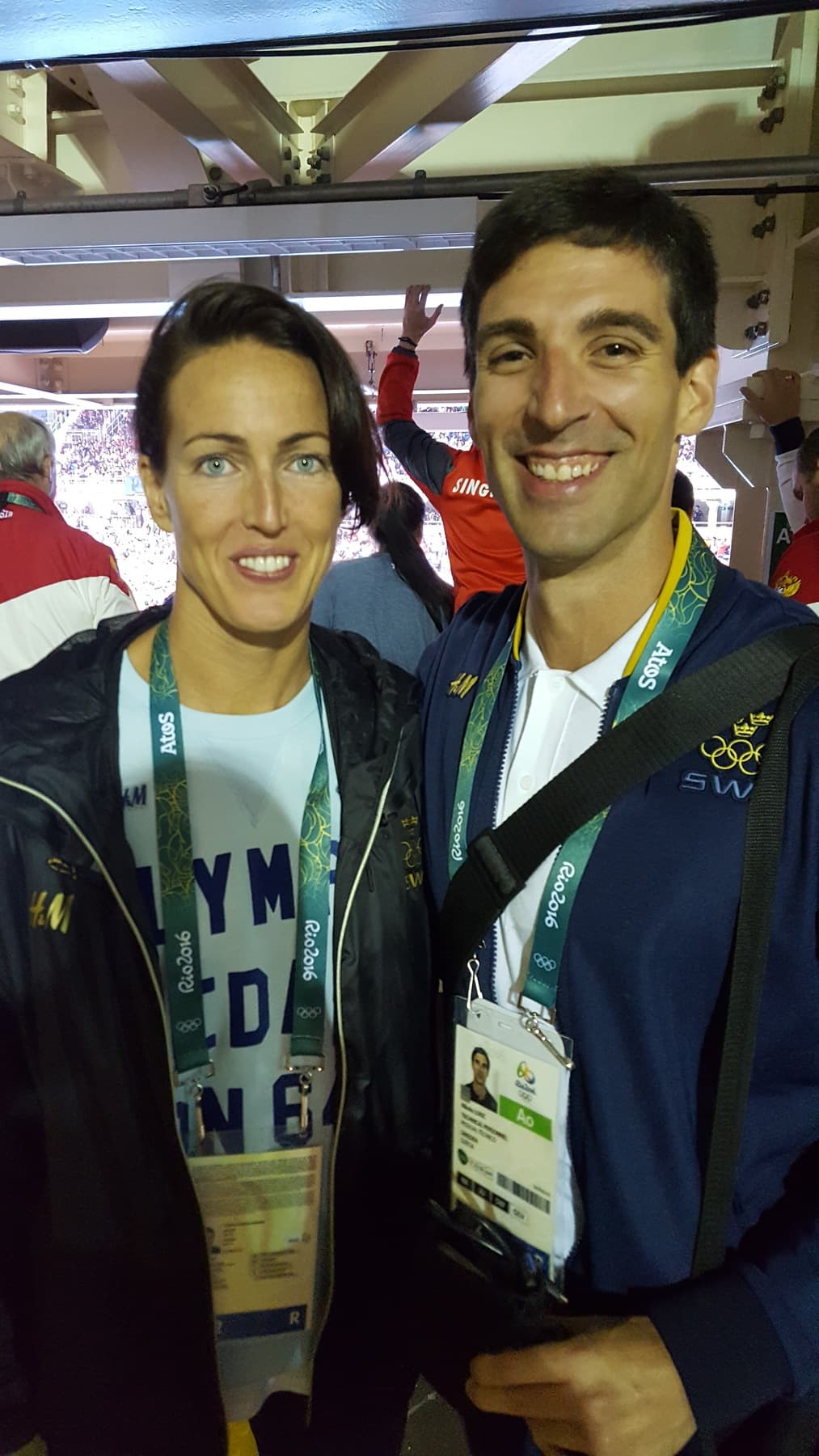
With Therese Alshammar.
The model

No calls. No scheduling. A deliberate choice.

The async model is not a limitation of availability. It is the correct structure for this type of work. A 60-frame-per-second analysis requires full attention on the footage, not on managing a conversation in real time. The depth of the read is a direct function of the uninterrupted focus brought to it.

Every athlete who submits footage gets a detailed voiceover video breakdown and a written technical intervention plan. Both are produced without the constraints of a live session - no time pressure, no back-and-forth, no context switching. The analysis is complete when it is genuinely complete.

Athletes and coaches can watch the video breakdown multiple times, pause at any moment, share it with training partners, and refer back to the written plan throughout a training block. That is more useful than a single live call in almost every case.

The work is also genuinely independent of time zones. Access to elite-level biomechanical analysis should not depend on geography. It does not, here.

The analysis that moved the fastest swimmers in the world is available to you.

Submit your footage and receive a frame-accurate read of exactly where speed is being made and lost.